Millie Small
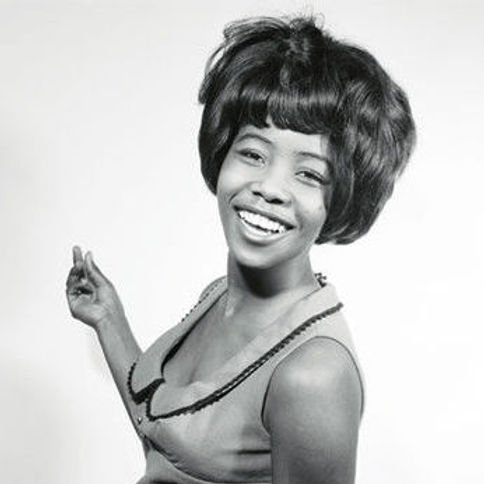
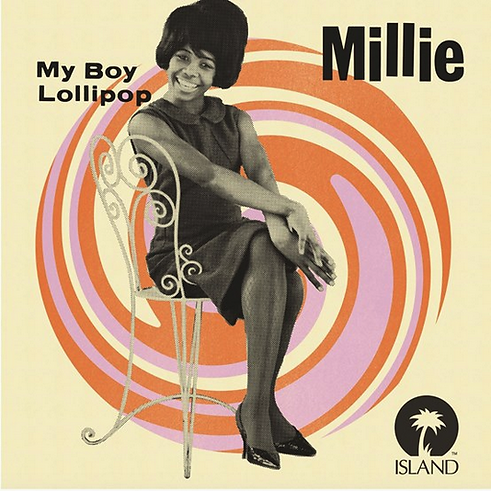
According to producer Chris Blackwell, the smash record My Boy Lollipop, sung by Millie, “opened the door for Jamaican music to the world” with 5 million copies sold worldwide in 1964, the year of its debut. In order to oversee Millie Small’s career, he had flown her from Kingston to London at the age of 16. All summer long, Millie’s shrill, happy vocals, arranged by Jamaican master guitarist Ernest Ranglin and set to a galloping ska rhythm in Olympic Studios in London, were broadcast on the new pirate radio stations, like Caroline, which played a crucial role in promoting the record.
Duke Reid, a Jamaican producer and DJ, was one of Blue Beat’s early luminaries. He stayed in his native country and made money by licensing his productions to a number of UK labels, but in his early days, he was most closely linked with Blue Beat, since Duke Reid produced the majority of the labels’ first 30 songs. “Duke’s Cookies,” a bluesy, sax-heavy song that was sure to have everyone in the club dancing, was one of his most well-known songs.
MY BOY LOLLIPOP
CHRIS BLACKWELL
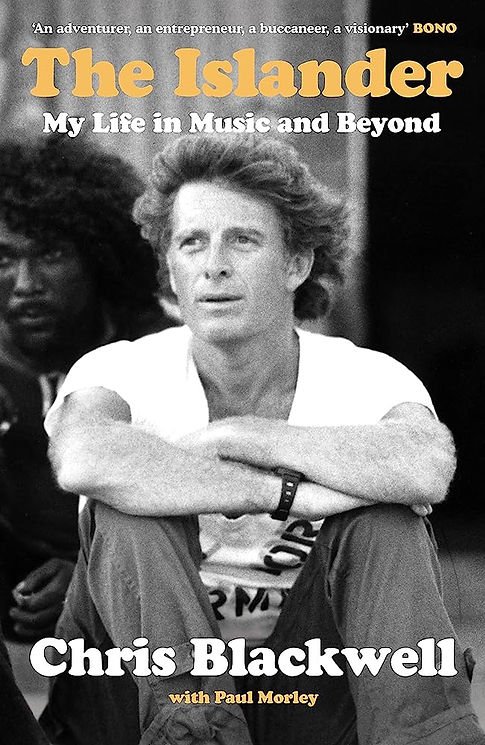
Blackwell licensed My Boy Lollipop to the well-established Fontana label, recognizing that he needed more resources to promote what he was positive would be a hit, even though he had added Millie to a roster of what he considered to be the best of Jamaican talent for his nascent Island Records label.
The unconventional yet catchy ska rhythm, to which Ranglin had added twists like a harmonica part, helped British listeners adjust their ears to what was initially thought of as a novelty record. This was often claimed, even by Millie, to have been played by a young Rod Stewart, but this was untrue. Ranglin found it amusing that British musicians who could read sheet music and had never heard the sound before had performed what was regarded as a classic Jamaican ska song.
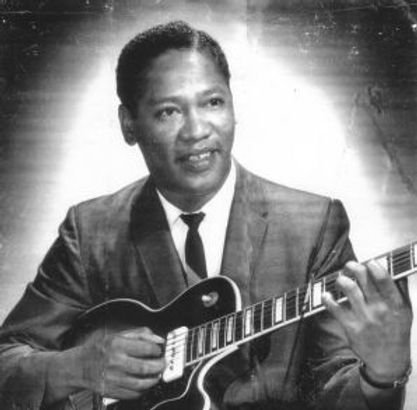
ERNEST RANGLIN
GETTING STARTED
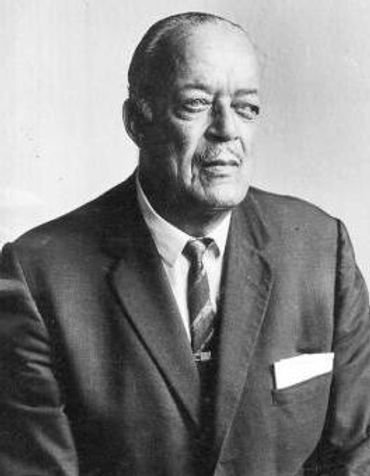
Vere Johns
Born in Clarendon, south central Jamaica, Millicent Dolly May Small, better known by her stage name Millie, had seven brothers and five sisters. Her father was a low-wage sugar plantation overseer. Singing and dancing a routine she used to entertain her family, she won the 30-shilling second place at the Vere Johns talent show at the age of twelve. This was a stepping stone to fame for many Jamaican performers.
She lived with an aunt in Kingston’s Love Lane following the talent show, and in early 1962 she tried out for Clement “Coxsone” Dodd, a sound system operator whose Studio One label had grown to be a major player in Jamaica. Dodd put Millie under the tutelage of Owen Gray, a well-known popular vocalist on his label, after being impressed by her vocal resemblance to Shirley Goodman of the American R&B duo Shirley and Lee.
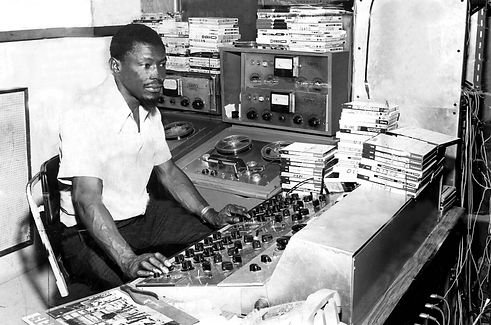
OWEN GRAY
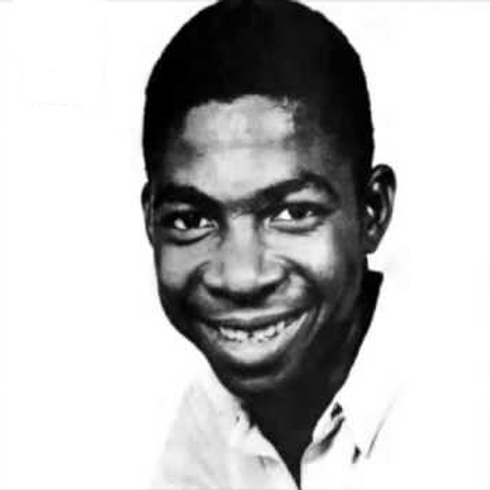
Vere Johns
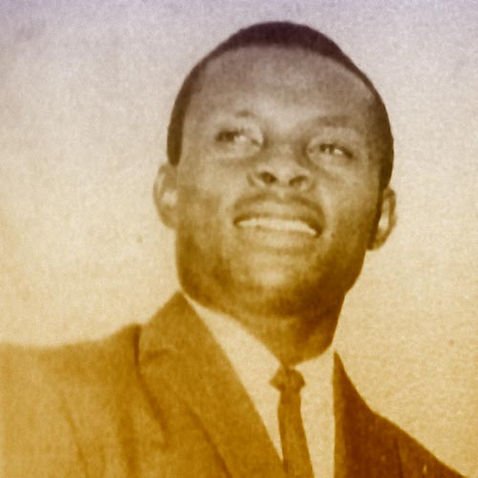
Following her vocal technique training, Gray recorded several duets with Millie in the Shirley and Lee style, including the popular Jamaican single Sugar Plum. After that, Millie was paired with another budding local vocalist, Roy Panton. Their song “We’ll Meet” became a significant Jamaican hit in the spring of 1962, marking the beginning of Roy and Millie’s subsequent popularity.
The pair’s singles included “Dearest Love,” “This World,” “There’ll Come a Day,” and “Cherry I Love You.” However, Dodd did not provide much in the way of monetary compensation. They thus relocated to Lindon Pottinger’s Gaydisc label in early 1963, and their song Marie became one of the summer’s major Jamaican singles.
OTHER SONGS
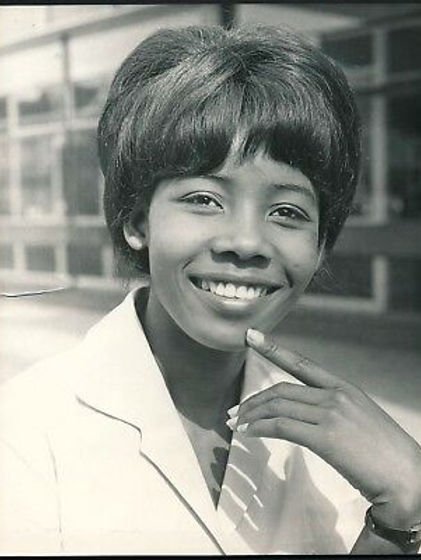
“The issue was that we simply couldn’t find another song of that caliber after My Boy Lollipop.” When Blackwell and Millie returned to Jamaica, they were astonished to see that her mother had curtsied to the girl because she was so impressed by her daughter’s fame. “As if she were the queen,” Blackwell remarked. “Oh boy,” I thought.
- Subscribe to the Wheeler Street Newsletter
Stay updated with the latest news, exclusive insights on Grantley’s work, upcoming books, speaking engagements, and more.
© All Copyright 2024 by Wheeler Products